If you are integrating Wrkr with a payroll provider, your provider may already be integrated with us. Please refer to this guide for more information.
If your payroll provider is not one of the ones listed in the guide, you can proceed to sign up for Wrkr.


The ATO SBSCH Transition Guide
If your business is currently using the ATO Small Business Superannuation Clearing House (SBSCH), now is the time to prepare for the change.
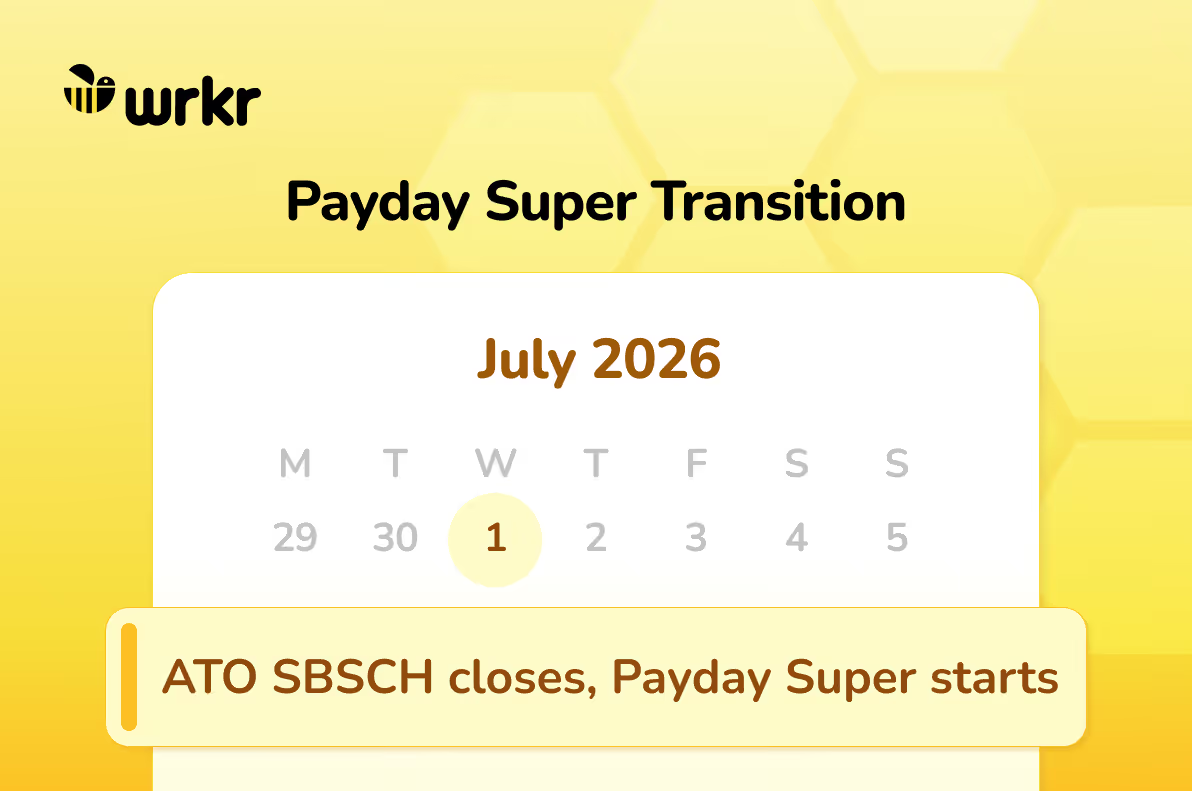
The SBSCH will permanently close on 30 June 2026, meaning businesses will no longer be able to use the service to process super contributions. At the same time, the introduction of Payday Super from 1 July 2026 means employers will need a new way to manage super contributions moving forward.
For many small businesses, the challenge isn't just choosing a replacement solution. It's making sure important records are downloaded, employee information is accurate, and internal processes are ready before the deadline arrives.
To help make the transition easier, we've created the ATO SBSCH Closing Checklist, a practical resource designed specifically for businesses currently using the ATO clearing house.
What's Included in the Checklist?
This free checklist walks you through the key steps businesses should complete before the SBSCH closes, including:
• Downloading important SBSCH records
• Saving employee super fund information
• Reviewing employee and SMSF details
• Connecting to the ATO for stapled super fund requests
• Preparing for more frequent super contribution processing under Payday Super
• Completing your first contribution before the changes take effect
• Following a practical transition checklist designed to help avoid last-minute issues
The guide is designed to be straightforward, practical and easy to work through with your bookkeeper, BAS agent or payroll team.
Who Is This Checklist For?
This resource is ideal for:
- Small business owners
- Employers currently using the ATO SBSCH
- Bookkeepers and BAS agents
- Payroll administrators
- Finance and operations teams
If you're still using the ATO Small Business Superannuation Clearing House, this checklist will help you understand the steps required before the service closes and ensure you're ready for what's next.
Download the ATO SBSCH Closing Checklist
Don't leave your SBSCH transition until the last minute.
Download the checklist today and work through the key actions before 30 June 2026.
This means super becomes part of your regular payroll process. You’ll need a system that can handle frequent submissions, maintain accurate employee data, and provide visibility over payment status, not just at quarter end.
A centralised approach, with multi-entity access, bulk processing, and clear visibility over submissions, fund receipt, and any issues, becomes critical to keeping things running smoothly.